The Complete Guide to CBD Skincare
Investigating the burgeoning field of CBD skincare, there emerges a plethora of potential benefits from this cannabis-derived compound, including its anti-inflammatory and antioxidant properties that may prove advantageous for conditions such as acne, eczema, and dermatitis.
The anti-inflammatory action is particularly relevant in skin treatment as inflammation is the root cause of numerous skin ailments, ranging from rosacea to premature aging. Furthermore, CBD’s antioxidant qualities could help neutralize harmful free radicals—unstable molecules that contribute to cell damage and aging—thereby bolstering the overall health and longevity of the skin.
The application of CBD in cosmetics targets not only chronic skin conditions but also aims to improve skin hydration and elasticity. Various topical products made infused with CBD are being designed to be beneficial for skin without entering the bloodstream, thus offering a non-psychoactive approach to skin cells.
Despite these promising attributes, it’s crucial to note that scientific research on CBD skin care is still limited. Therefore, consumers should remain informed about their choice of care products, ensuring they are properly labeled with a clear indication of CBD content and have undergone third-party testing for safety verification.
What is CBD?
Delving into the realm of botanical ingredients, one encounters Cannabidiol, a non-intoxicating compound sourced from hemp plants that is devoid of THC and often incorporated into various wellness products due to its potential therapeutic properties. Known commonly as CBD, this constituent has garnered significant attention in recent years for its purported efficacy in addressing myriad health anomalies. The burgeoning interest in this ingredient can be traced back to the relaxation of regulations pertaining to hemp cultivation following the passage of the 2018 Farm Bill.
Despite being sourced from hemp plants, akin to CBD, Hemp seed oil is an entirely different ingredient with distinct attributes. It’s paramount to discern between these two elements since they are frequently conflated due to their shared origin:
Hemp seed oil primarily contains essential fatty acids and is known more for its nutritional benefits.
Unlike CBD oil, it doesn’t contain any cannabinoids.
CBD oil, conversely, encompasses a wide spectrum of cannabinoids, including CBD, which is hailed for its potential therapeutic benefits.
Due to their differing contents and respective benefits, their applications within skin products also diverge significantly.
Through understanding these distinctions and appreciating the characteristics unique to each element, consumers can make informed decisions regarding product selection aligned with their individual needs.
What can CBD do for your skin?
Exploring the potential effects of CBD in skin care, it emerges as a promising agent for various skin conditions.
Research indicates that it may play a significant role in mitigating inflammation associated with eczema and psoriasis, providing therapeutic relief to affected individuals.
Additionally, its potential anti-inflammatory properties might be helpful in treating acne and easing sunburn-related inflammation, providing a creative solution for various skin health needs.
Potentially Helps Inflammation, Eczema, and Psoriasis
In the realm of dermatology, CBD has shown potential for reducing inflammation and alleviating symptoms associated with skin diseases such as eczema and psoriasis. This is particularly significant given that inflammation underlies many skin disorders.
The interaction of CBD with two key receptors in the body, CB1 and CB2, may play a substantial role in this anti-inflammatory effect. According to Dr. Robert Dellavalle, MD, PhD, the activation of these receptors by CBD could decrease the immune system’s inflammatory response, which can consequently reduce redness and swelling.
A review published in the Journal of the American Academy of Dermatology underscores these findings by suggesting that CBD-infused creams may offer therapeutic benefits for specific dermatological conditions. For instance, it was indicated that such products may reduce the dryness associated with eczema and dampen the itchiness often experienced by individuals suffering from psoriasis.
However, despite these promising indications, it should be noted that research regarding CBD’s effectiveness in skin care and wellness is still ongoing, and further high-quality studies are needed to fully establish its potential benefits and ideal dosages.
Possibly Plays a Role in Treating Acne
Moving into the arena of acne treatment, the potential role of cannabidiol cannot be underestimated. Existing research suggests that CBD may play a role in influencing sebum production and possess anti-inflammatory effects, both crucial factors in acne management.
Sebaceous glands, which are involved in the production of sebum, a type of oil that lubricates our skin and hair, have been found to contain CB2 receptors. These receptors can interact with CBD, potentially reducing overactive sebum production, which often plays a significant role in the development of acne.
Furthermore, preliminary results presented at an annual meeting of the American Society for Microbiology indicated that topical application of CBD might effectively destroy a range of gram-positive bacteria. This is noteworthy given that some strains of these bacteria significantly contribute to problematic acne outbreaks.
Taken together, these findings suggest that CBD could offer a promising avenue for future acne treatments; however, more comprehensive studies are needed to fully validate these initial observations and determine optimal delivery methods and dosages.
May decrease inflammation from sunburns.
Harnessing the anti-inflammatory properties of cannabidiol, topical formulations such as sunscreen infused with this compound may offer a novel approach to mitigating the adverse effects of sunburn.
When skin is exposed to ultraviolet radiation, it triggers an inflammatory response that results in redness and discomfort. Infusing sunscreen products with CBD may help to control this inflammation, thereby reducing the visible signs and discomfort associated with sun exposure.
As well as providing traditional UV protection, these formulations could potentially enhance skin hydration and elasticity due to CBD’s purported moisturizing benefits.
CBD’s potential effectiveness in reducing skin inflammation can be attributed to its interaction with CB1 and CB2 receptors found within the body’s endocannabinoid system. These receptors play a crucial role in regulating immune responses, including inflammation.
When CBD interacts with these receptors, it may decrease the body’s overall inflammatory response, offering potential relief for various skin conditions characterized by redness, such as eczema and psoriasis. Although further high-quality research is required to fully understand CBD’s dermatological impact and optimize its use, initial findings suggest promising potential for cannabis-derived compounds in skincare science.
How to Use It
Understanding the correct application and usage of CBD skincare products can significantly enhance their effectiveness in addressing various skin conditions.
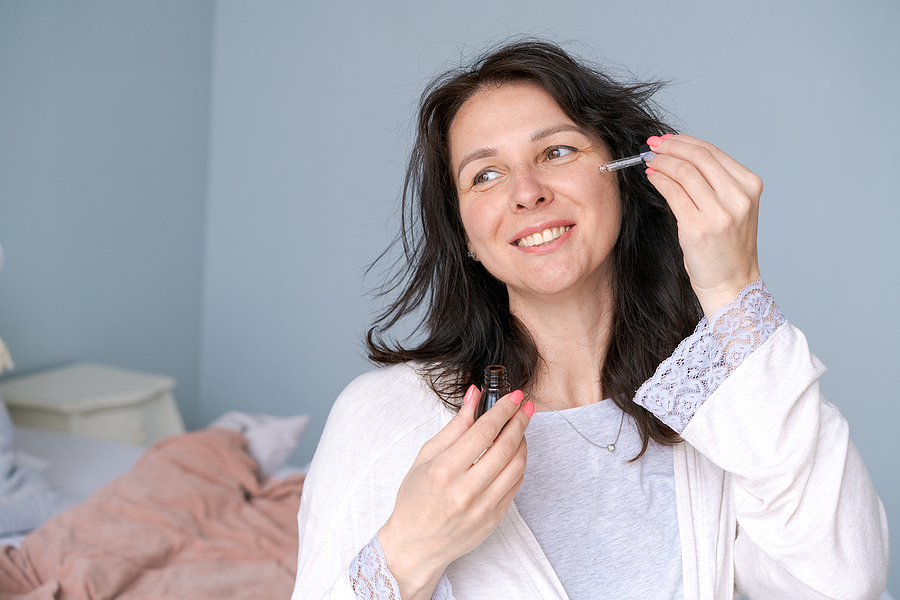
For topical use, CBD oil should be applied directly to problematic areas after cleansing and toning. It is recommended to start with a small amount, gently massaging it into the skin until fully absorbed, before applying any moisturizers or other products. The frequency of application depends on the specific product instructions and individual skin requirements; however, most experts suggest using it once or twice daily for optimal benefits.
Incorporating CBD oil into an existing skincare routine is quite straightforward. Users can mix a few drops with their regular face cream or lotion before applying it as usual.
Oral consumption is also possible but requires more caution due to the varying strengths and concentrations of CBD oils available on the market. Before incorporating oral ingestion into a routine, consulting with a healthcare provider familiar with your medical history is highly advisable.
In general, consumers are encouraged to thoroughly research products before purchase, ensuring they contain actual CBD (not just hemp seed oil), have undergone third-party testing, clearly list the amount of CBD on the label, and avoid making unsubstantiated claims about curing specific diseases or conditions.
Conclusion
In conclusion, the emerging use of CBD in skincare products highlights a fascinating intersection between dermatology and plant-based remedies. Research suggests that CBD may offer multiple benefits, including soothing inflammation, mitigating pain and anxiety, improving sleep quality, and addressing skin problems like acne, eczema, and psoriasis. However, the necessity for further high-quality studies is undeniable to establish robust evidence.
One interesting statistic reveals that the global market for CBD skincare is anticipated to reach $1.7 billion by 2025. This projection points towards a growing consumer interest in CBD-infused beauty products. In light of this trend, accurate product labeling and third-party testing have become even more critical to ensuring consumer safety and efficacy of these innovative products.